Apple vs EU: What the Digital Markets Act Ruling Means for iPhone Users
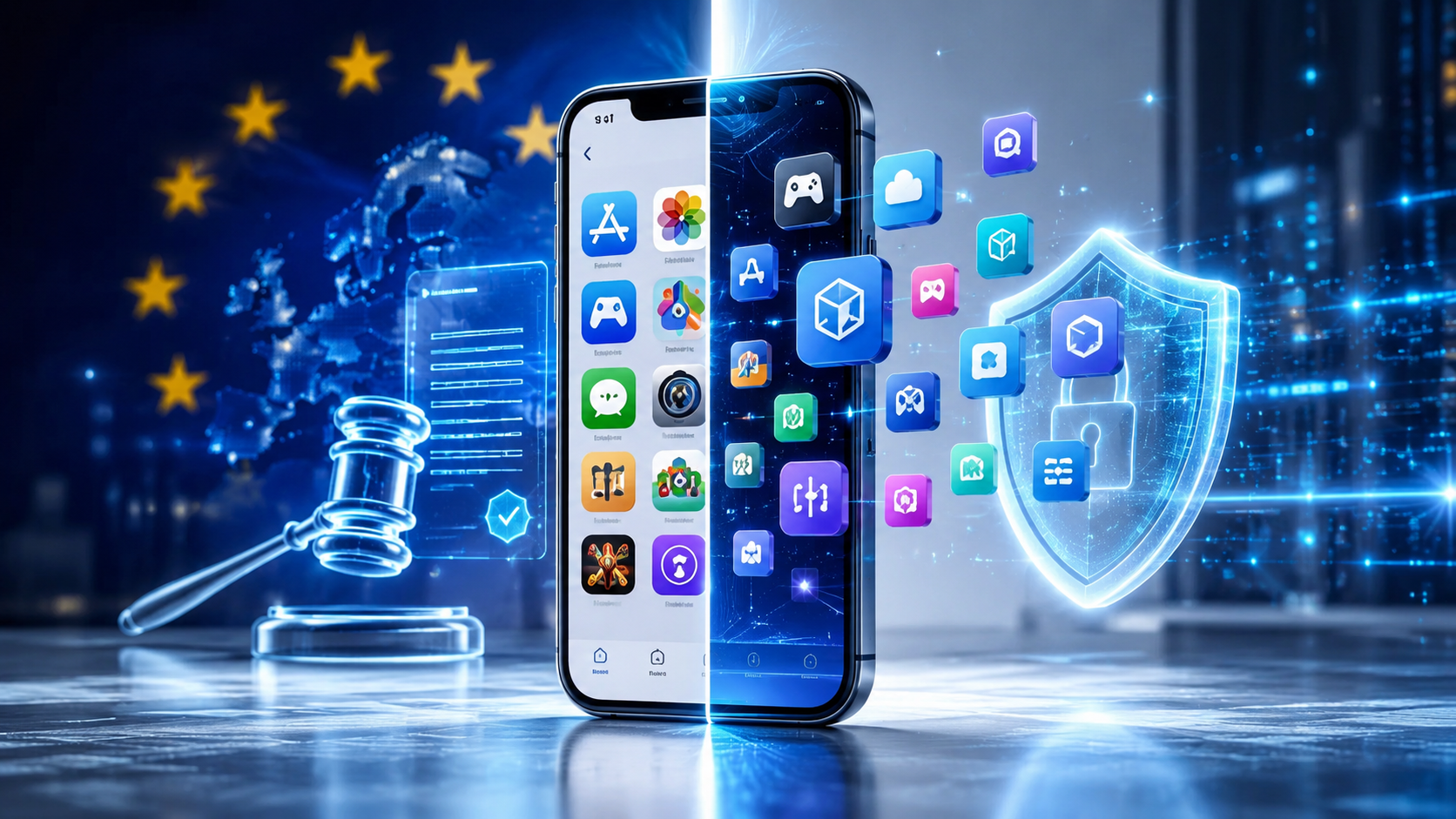
Apple’s long-running battle with European regulators has reached another major milestone. After losing its legal challenge against key parts of the Digital Markets Act (DMA), the company will have to continue complying with new rules that reshape how iPhones work across the European Union.
For years, Apple maintained tight control over the App Store, app distribution, payment systems, and browser technologies. The DMA is designed to reduce that control and give consumers more choice while encouraging competition among developers.
But what does this actually mean if you own an iPhone in Europe? Will you suddenly be able to install any app you want? Is sideloading now available? And should users be concerned about security?
Here’s everything you need to know.
What Is the Digital Markets Act?
The Digital Markets Act (DMA) is a European Union regulation created to prevent large technology companies—known as “gatekeepers”—from unfairly limiting competition.
Companies such as Apple, Google, Meta, Amazon, and Microsoft fall under these rules because they control major digital platforms used by millions of people.
The DMA requires these companies to:
- Allow greater competition
- Give consumers more freedom
- Reduce restrictions on developers
- Make switching services easier
- Prevent unfair business practices
For Apple, this primarily affects the iPhone ecosystem.
Why Apple Lost the Legal Challenge
Apple argued that several DMA requirements were unnecessary, would weaken user security, and could reduce the overall quality of the iPhone experience.
European regulators disagreed.
The ruling confirms that Apple must continue implementing DMA requirements instead of delaying them through legal action.
That means previously announced changes—including support for alternative app marketplaces in the EU—remain in effect.
What Changes for iPhone Users?
The biggest impact is increased flexibility.
Instead of relying entirely on Apple’s App Store, eligible users in the European Union now have additional options for downloading apps and managing their devices.
Let’s look at the biggest changes.
Alternative App Stores Become a Reality
One of the largest changes is support for alternative app marketplaces.
Previously:
- Every iPhone app had to come through Apple’s App Store.
Now:
- Developers can launch their own app marketplaces.
- Third-party stores can distribute iPhone apps.
- Users can install apps from approved alternative marketplaces.
This creates more competition and gives consumers additional choices.
More Freedom for Developers
Developers no longer have to rely exclusively on Apple’s payment system.
Benefits include:
- Lower commission fees
- Greater pricing flexibility
- More direct customer relationships
- Alternative subscription options
Some developers may even offer discounts outside Apple’s traditional payment system.
More Browser Competition
Before the DMA, every browser on iPhone had to use Apple’s WebKit browser engine.
The new rules allow competing browser engines in the EU.
This could result in:
- Faster browsers
- New browser features
- Better compatibility
- Increased innovation
Users may notice more meaningful differences between browsers instead of them feeling nearly identical.
Better Default App Choices
The DMA also makes it easier to change default apps.
Users have more control over:
- Web browsers
- Messaging apps
- Email apps
- Navigation apps
- Password managers
Apple has gradually introduced these options, and the DMA encourages even greater flexibility.
Easier Device Interoperability
The European Union also wants Apple products to work better with third-party hardware and software.
Examples include:
- Smartwatches
- Wireless earbuds
- Smart home devices
- File sharing services
The goal is reducing ecosystem lock-in.
Does This Mean iPhone Sideloading Is Fully Open?
Not exactly.
Many headlines simply say “Apple allows sideloading,” but the reality is more nuanced.
Apple still applies several protections, including:
- App notarization
- Malware scanning
- User warnings
- Permission requirements
- Installation verification
So while users have more freedom, Apple continues to enforce security measures designed to reduce malicious software.
What About Security?
Security remains Apple’s biggest concern.
The company argues that unrestricted app installation increases the risk of:
- Malware
- Fraudulent apps
- Privacy violations
- Financial scams
Supporters of the DMA respond that users should have the freedom to choose where they download software—provided clear security information is available.
In practice, Apple has implemented multiple safeguards to balance user choice with device protection.
Will This Affect Users Outside Europe?
For now, these changes primarily apply to European Union countries.
If you live outside the EU:
- The traditional App Store experience largely remains unchanged.
- Alternative app stores may not be available.
- Regional restrictions still apply.
However, regulators in other countries are closely watching Europe’s approach.
If similar laws emerge elsewhere, comparable changes could eventually expand to additional markets.
What This Means for Developers
Developers stand to benefit in several ways.
Potential advantages include:
Lower Costs
Alternative payment systems could reduce fees for some businesses.
Greater Distribution
Developers may launch dedicated app stores focused on gaming, productivity, education, or enterprise software.
Better Customer Relationships
Direct subscriptions and billing provide more control over pricing and customer support.
However, developers also face new responsibilities, including security, distribution management, and marketplace maintenance.
Real-World Example
Imagine a gaming company launching its own marketplace.
Instead of paying Apple’s traditional commission on every purchase, the company could:
- Sell games directly
- Offer exclusive discounts
- Bundle subscriptions
- Provide loyalty rewards
For consumers, that could translate into lower prices and more promotional offers.
Potential Challenges
While greater openness has benefits, there are also trade-offs.
Some users may become confused by multiple app stores.
Developers must decide whether to remain exclusively on Apple’s App Store or expand elsewhere.
Security awareness also becomes increasingly important, especially when downloading apps outside Apple’s main marketplace.
Ultimately, success will depend on how responsibly both developers and users adapt to the new ecosystem.
Expert Tips
- Download apps only from trusted marketplaces, even if alternative stores become available.
- Read user reviews before installing software outside Apple’s App Store.
- Keep iOS updated to receive the latest security protections.
- Review app permissions regularly.
- Compare prices across marketplaces, as developers may offer discounts outside Apple’s App Store.
- Enable two-factor authentication for your Apple Account to improve security.
Frequently Asked Questions (FAQs)
1. What is the Digital Markets Act?
The Digital Markets Act is an EU law designed to increase competition by limiting the power of major technology companies.
2. Why did Apple lose the case?
European regulators rejected Apple’s legal challenge, meaning the company must continue complying with DMA requirements.
3. Can iPhone users install apps outside the App Store?
Yes, eligible users in the European Union can access approved alternative app marketplaces under Apple’s DMA compliance rules.
4. Is sideloading completely unrestricted?
No. Apple still performs security checks, app notarization, and verification before allowing installations.
5. Does this affect users outside Europe?
Currently, most DMA-related changes apply only within the European Union.
6. Are alternative app stores safe?
Many will be legitimate, but users should only download apps from trusted sources.
7. Will apps become cheaper?
Possibly. Developers using alternative payment systems may offer lower prices or exclusive discounts.
8. Can developers avoid Apple’s payment system?
In many cases within the EU, developers have more flexibility regarding payment processing.
9. Will the App Store disappear?
No. Apple’s App Store remains available and will continue to be the primary marketplace for many users.
10. Could similar rules expand globally?
Several governments are considering similar regulations, but implementation varies by country.
Apple’s loss in its Digital Markets Act legal challenge represents one of the biggest shifts in the iPhone ecosystem since the App Store launched. While the changes mainly affect users in the European Union, they introduce greater choice through alternative app marketplaces, more developer flexibility, and increased competition.
For iPhone owners, the result is a more open platform without completely abandoning Apple’s focus on security. The coming months will show how developers, consumers, and Apple adapt to this new balance between openness and protection. Regardless of where you live, the DMA is likely to influence the future of mobile platforms around the world.
Related Internal Article Suggestions
- On-Device AI Explained: Why Your Next Phone or Laptop Brags About It
- Why Your Next Phone or Laptop Is About to Get More Expensive
- iPhone 18 Pro: Everything Confirmed So Far
- Xiaomi Watch S5 vs Apple Watch: Is This the Smartwatch Upgrade Worth Watching
- Matter-Compatible Smart Home Devices: A No-Nonsense Starter Guide