SK Hynix’s Record Nasdaq Listing: What It Means for AI-Powered Gadget Prices in 2026
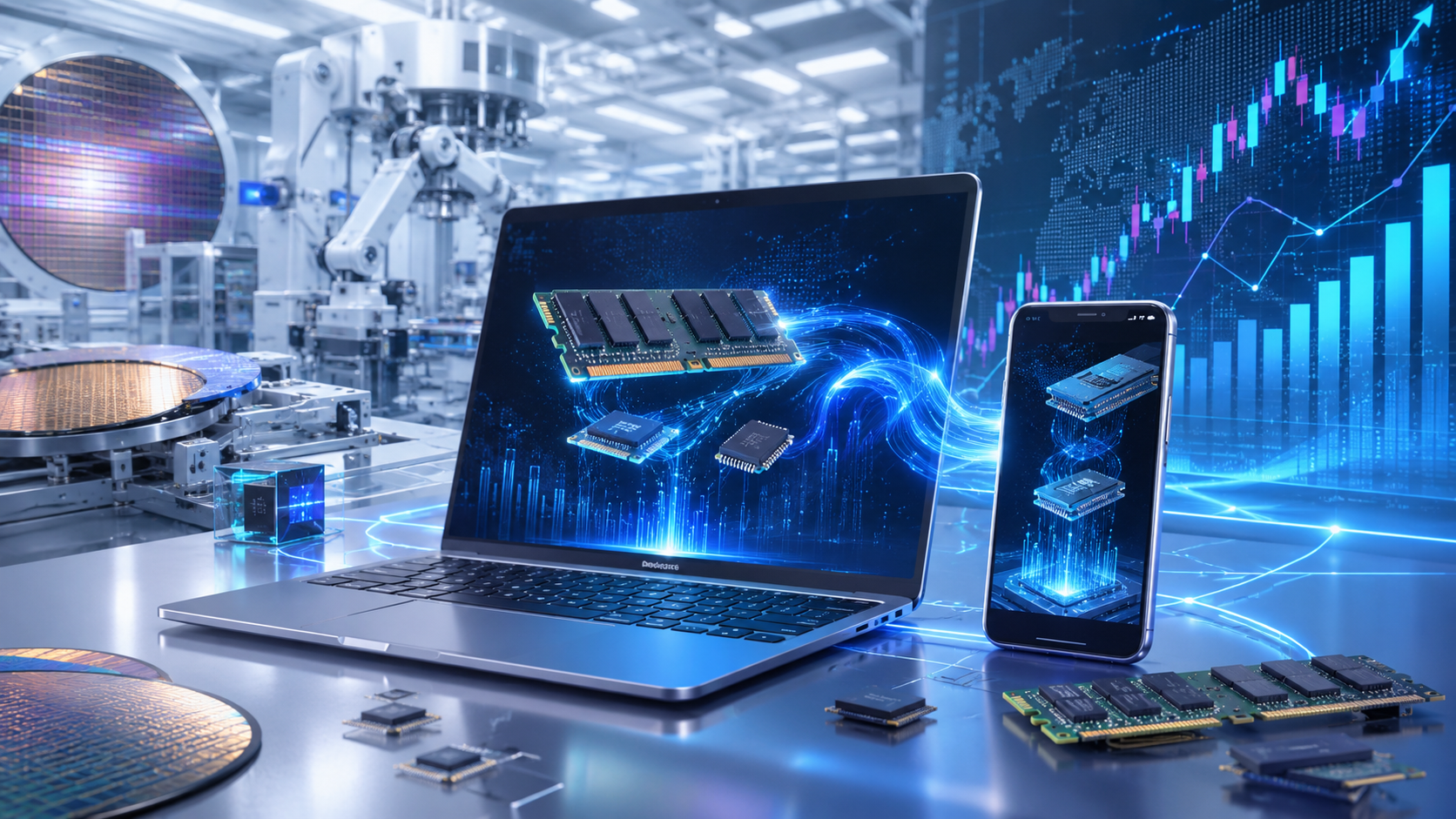
The artificial intelligence boom continues to reshape the technology industry, and one of the biggest beneficiaries is memory chip giant SK Hynix. As demand for AI hardware reaches unprecedented levels, the company has attracted significant investor attention, leading to its record Nasdaq listing and reinforcing its position as one of the world’s most valuable semiconductor manufacturers.
While this may sound like a story focused on financial markets, the impact extends far beyond Wall Street. Consumers shopping for a new laptop, smartphone, AI PC, or gaming device could soon notice the effects in the form of changing memory prices, hardware availability, and device costs.
If you’re planning to upgrade your technology in 2026, understanding what’s happening behind the scenes can help you make a smarter buying decision.
Why SK Hynix’s Nasdaq Listing Is Making Headlines
SK Hynix has become one of the biggest winners of the AI revolution. The company manufactures advanced DRAM and NAND flash memory used in nearly every modern computing device. More importantly, it is one of the leading suppliers of High Bandwidth Memory (HBM), a specialized memory technology required by AI accelerators and data center GPUs.
As AI adoption accelerates worldwide, cloud providers and technology companies are purchasing massive quantities of HBM chips to power AI training and inference. This surge in demand has strengthened investor confidence, helping SK Hynix achieve a landmark Nasdaq listing that reflects the company’s growing importance in the global semiconductor market.
Unlike previous semiconductor cycles driven mainly by smartphones or PCs, today’s demand is heavily influenced by artificial intelligence infrastructure.
How AI Memory Demand Affects Everyday Devices
At first glance, AI servers and consumer electronics seem unrelated. However, they rely on many of the same manufacturing facilities and memory production capacity.
When semiconductor companies prioritize producing premium AI memory because it delivers higher profit margins, fewer manufacturing resources remain available for conventional DRAM and NAND chips used in everyday products.
This can eventually influence prices across multiple product categories.
Smartphones
Modern smartphones increasingly rely on larger memory capacities to support on-device AI features, advanced photography, and multitasking. Flagship devices now commonly include 12GB or even 16GB of RAM.
If memory chip prices continue rising, manufacturers may either increase retail prices or reduce storage and RAM configurations in entry-level models.
Consumers may notice that budget phones become slightly more expensive or offer fewer premium specifications than expected.
AI Laptops and PCs
The new generation of AI PCs requires larger amounts of system memory to run local AI models efficiently.
Many manufacturers now recommend at least 16GB RAM, while premium AI laptops often ship with 32GB memory to support AI workloads.
If DRAM prices continue climbing, buyers could see:
- Higher prices for laptops with 32GB RAM
- Smaller discounts during seasonal sales
- Increased cost for memory upgrades
- Premium pricing on AI-certified laptops
Gaming Systems
Gaming PCs and consoles also depend heavily on DRAM and fast SSD storage.
Although AI demand isn’t directly tied to gaming, reduced supply of consumer memory chips can contribute to gradual price increases for gaming hardware and high-performance SSDs.
Why Memory Prices Are Rising
Several factors are pushing memory prices upward simultaneously.
First, AI infrastructure spending has reached record levels as major cloud providers continue expanding their AI capabilities.
Second, memory manufacturers are allocating more production toward premium HBM chips because they generate stronger profits than conventional memory.
Third, smartphone and PC shipments are beginning to recover after several slower years, creating additional demand for standard DRAM and NAND.
When supply becomes tighter while demand grows, prices naturally move upward.
Will Consumers Pay More for AI Gadgets?
The answer is likely yes, although not dramatically overnight.
Instead of seeing sudden price jumps, consumers may experience gradual increases over several product launches.
Manufacturers typically respond in several ways:
They may slightly raise retail prices while keeping specifications unchanged.
Some brands could maintain pricing but reduce storage or RAM configurations in entry-level models.
Others may bundle AI software features into premium devices to justify higher prices.
For flagship products, these increases may only represent a small percentage of the total price. However, for budget and mid-range devices, even modest increases in memory costs can significantly affect final pricing.
Real-World Example
Imagine two laptop manufacturers launching nearly identical AI laptops.
Company A purchased memory chips before DRAM prices increased.
Company B purchases memory after the market experiences shortages caused by rising AI demand.
Even if every other component costs the same, Company B’s laptop may launch at a noticeably higher price simply because memory has become more expensive.
This is one reason why hardware pricing often changes even when processors remain similar between generations.
What This Means for Buyers in 2026
Consumers planning to purchase technology this year should pay closer attention to memory configurations than ever before.
A laptop with 16GB RAM may represent better long-term value than an 8GB model, especially as AI applications become more demanding.
Similarly, smartphones with higher RAM capacities are likely to remain useful for longer periods, making them better investments despite slightly higher upfront costs.
If you’re considering a purchase, waiting indefinitely may not always save money if component prices continue increasing.
Should You Buy Now or Wait?
The decision depends largely on your needs.
If your current device struggles with multitasking, AI features, or productivity tasks, upgrading sooner may help you avoid future component price increases.
However, if your existing hardware still performs well, upcoming product launches later in 2026 may introduce improved AI capabilities that justify waiting.
Rather than focusing only on processor performance, compare RAM capacity, SSD storage, and long-term software support before making your decision.
What Industry Experts Expect
Many semiconductor analysts believe AI-related demand will remain strong for several years. Memory manufacturers including SK Hynix, Samsung, and Micron continue investing billions of dollars into expanding production, but building new semiconductor capacity takes considerable time.
Until supply catches up with AI demand, consumers should expect memory pricing to remain relatively firm compared to previous years.
While dramatic shortages similar to earlier semiconductor crises are unlikely, bargain pricing on high-memory devices may become less common.
Expert Tips
If you’re buying a laptop or smartphone in 2026, don’t focus solely on the processor. Devices with at least 16GB RAM and fast SSD storage will provide better long-term performance as AI features become standard across operating systems and applications.
Compare memory specifications before purchasing rather than choosing solely based on brand. Sometimes paying a little more today can extend the useful life of your device by several years.
Watch major shopping events for discounts, but remember that rising memory costs may reduce the size of promotional offers compared to previous years.
Finally, if you’re upgrading storage or RAM yourself, monitor memory prices regularly because component costs can fluctuate throughout the year.
Frequently Asked Questions
1. What is SK Hynix known for?
SK Hynix is one of the world’s largest manufacturers of DRAM, NAND flash memory, and High Bandwidth Memory used in AI servers, laptops, smartphones, and data centers.
2. Why is SK Hynix’s Nasdaq listing important?
It reflects strong investor confidence driven by growing demand for AI memory chips and highlights the company’s expanding influence in the semiconductor industry.
3. Will laptop prices increase because of AI?
Potentially. Rising DRAM costs may contribute to slightly higher prices, particularly for AI laptops with 16GB or 32GB RAM.
4. How does AI affect smartphone pricing?
AI features require more memory and processing power, increasing manufacturing costs for modern smartphones.
5. What is High Bandwidth Memory (HBM)?
HBM is an advanced memory technology designed for AI accelerators, enabling extremely fast data transfer speeds.
6. Should I wait to buy a new laptop?
If your current device still meets your needs, waiting may provide access to newer AI features. Otherwise, buying sooner could help avoid future component price increases.
7. Are SSD prices expected to rise too?
Storage prices may experience moderate increases if NAND demand continues strengthening alongside AI infrastructure growth.
8. Which devices are most affected by memory prices?
AI laptops, premium smartphones, gaming PCs, workstations, and enterprise servers are the most likely to feel the impact.
9. Will budget phones become more expensive?
Budget devices could see modest price increases or reduced RAM and storage configurations if memory costs remain elevated.
10. Is the AI chip boom expected to continue?
Current industry trends suggest strong AI infrastructure investment will continue over the next several years, supporting ongoing demand for advanced memory technologies.
The SK Hynix Nasdaq Listing is more than a financial milestone—it reflects the growing importance of AI-driven semiconductor technology. As cloud providers, AI developers, and technology companies compete for advanced memory chips, the ripple effects are beginning to reach consumers through higher component costs and changing hardware pricing.
Although dramatic price increases aren’t guaranteed, buyers should expect memory to remain one of the key factors influencing laptop, smartphone, and AI device costs throughout 2026. Paying attention to RAM capacity, storage options, and overall value will help you make a smarter purchase as AI becomes a standard feature across modern technology.
Related Internal Article Suggestions
- DRAM and Storage Prices Are Rising — Here’s How It’ll Hit Your Next Phone Purchase
- Meta Brings AI Image & Video Generation to Instagram, WhatsApp & Meta AI: Complete Guide
- iPhone 18 Pro Price Hike 2026: Is It Still Worth the Upgrade?
- Complete External SSD Buying Guide (2026): Everything You Need to Know Before You Buy
- Dual-Network Bluetooth Trackers vs Apple AirTag: Which Item Finder Wins