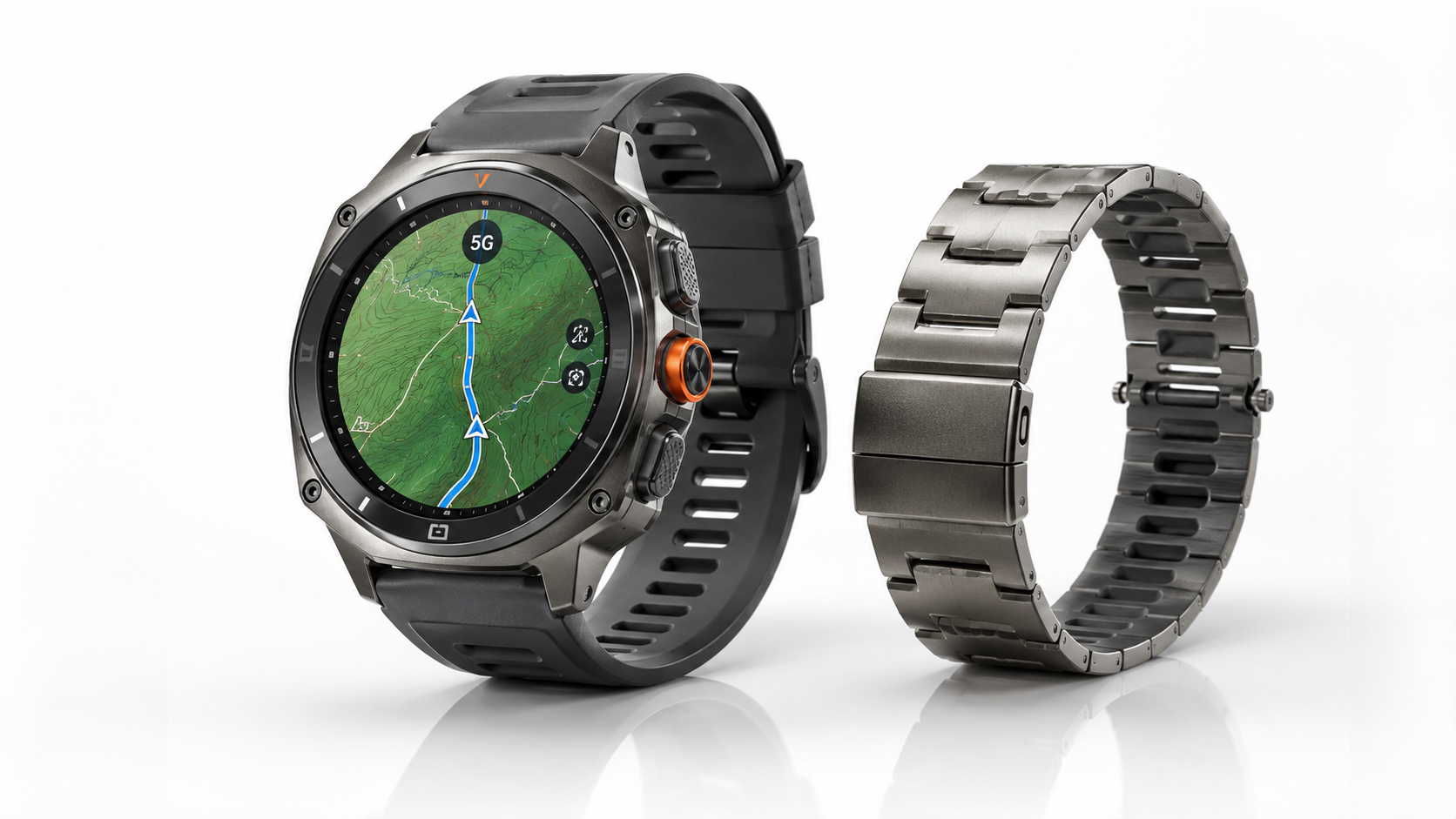
Samsung’s Ultra smartwatch returns with meaningful hardware upgrades rather than a complete redesign. At Galaxy Unpacked 2026, the company introduced the Galaxy Watch Ultra 2, focusing on battery life, outdoor performance, AI-powered health tracking, and a brand-new Snapdragon Wear Elite platform. Samsung has also introduced a 5G-capable model in select markets, bringing the company closer to true standalone smartwatch connectivity.
Instead of chasing thinner bezels or flashy new colors, Samsung has concentrated on the areas that matter most to serious smartwatch users: endurance, visibility, performance, and health monitoring.
If you’re considering upgrading from the original Galaxy Watch Ultra—or comparing it against Apple’s premium smartwatch—this first look explains what has changed, what remains familiar, and whether it’s worth waiting for.
Galaxy Watch Ultra 2 at a Glance
Samsung’s flagship outdoor smartwatch introduces several notable improvements:
| Feature | Galaxy Watch Ultra 2 |
|---|---|
| Display | Up to 5,000 nits AMOLED |
| Processor | Snapdragon Wear Elite |
| Battery | 800mAh |
| Storage | 64GB |
| Water Resistance | 10ATM + IP69K |
| GPS | Dual-frequency L1 + L5 |
| Connectivity | Bluetooth, LTE, optional 5G model |
| New Features | Trail Run, improved diving support, AI Health |
Most of these specifications have been officially confirmed by Samsung during Galaxy Unpacked. The availability of the 5G model varies by region.
Voltixaz Analysis
Samsung has avoided unnecessary redesigns. Instead, it strengthened every major weakness of the first-generation Ultra. That’s often a better strategy for premium wearable buyers.
What’s Officially Confirmed?
Samsung has officially confirmed:
- Snapdragon Wear Elite platform
- 800mAh battery
- Up to 5,000 nits display brightness
- 64GB storage
- New Trail Run mode
- Advanced diving capabilities
- AI-powered health insights
- Slimmer body despite larger battery
Connectivity: Confirmed vs Reported
| Information | Status | Reliability |
|---|---|---|
| Snapdragon Wear Elite | Confirmed | High |
| 800mAh battery | Confirmed | High |
| 5,000-nit display | Confirmed | High |
| Standalone 5G variant | Partially confirmed (market dependent) | Medium-High |
| RedCap 5G support | Supported by Qualcomm platform and reported in industry coverage, but Samsung has not broadly detailed implementation across all markets | Medium |
Voltixaz Analysis
The Snapdragon platform is arguably the biggest upgrade. It changes how responsive the watch feels and lays the foundation for future AI features rather than just improving benchmark scores.
Design and Build Quality
At first glance, the Watch Ultra 2 looks familiar.
That isn’t a criticism.
Samsung has refined the existing titanium design instead of replacing it.
Key improvements include:
- 12% thinner body
- 26% lighter strap
- Redesigned cushion construction
- Better weight distribution
The rugged design remains targeted toward hikers, cyclists, runners, and divers rather than fashion-focused smartwatch buyers. (news.samsung.com)
Voltixaz Analysis
The original Ultra already looked premium. Samsung wisely focused on making it more comfortable for all-day wear instead of changing its identity.
Display Gets a Huge Upgrade
Outdoor visibility has always separated premium adventure watches from ordinary smartwatches.
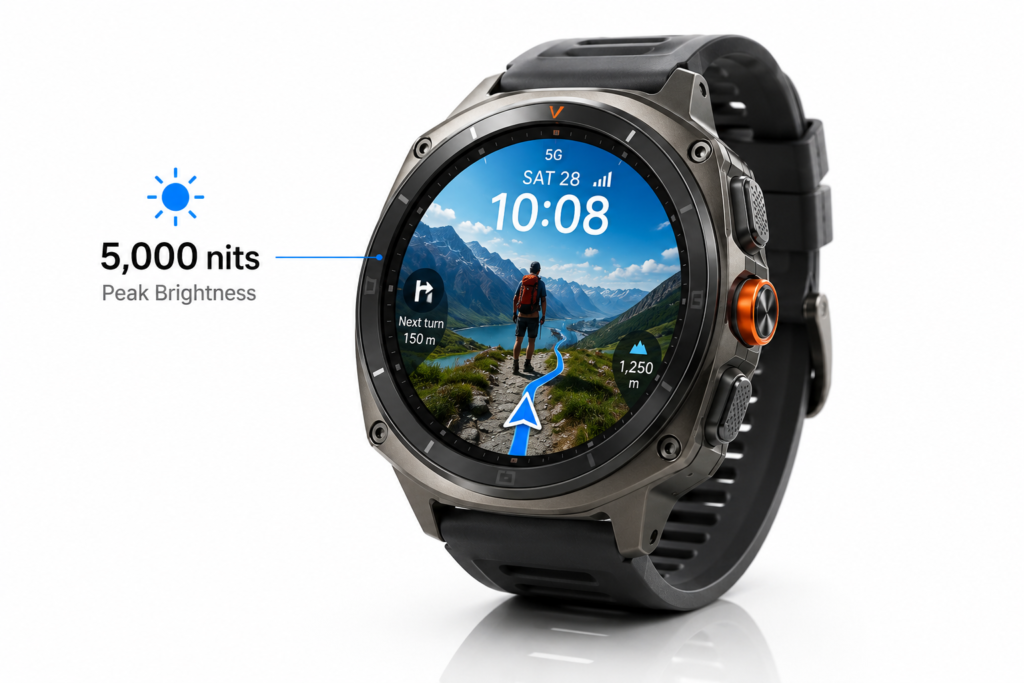
Samsung now pushes brightness to 5,000 nits, making it one of the brightest smartwatch displays available.
Benefits include:
- Better visibility in direct sunlight
- Easier navigation while hiking
- Improved readability during cycling
- Clearer maps outdoors
This is particularly useful for athletes who rely on the watch without constantly reaching for their phone.
Voltixaz Analysis
Brightness numbers don’t always translate directly into a better experience, but moving from the previous generation to 5,000 nits is a practical upgrade for outdoor users.
Snapdragon Wear Elite Changes the Experience
One of the biggest stories is Samsung’s switch from its long-running Exynos smartwatch chips to Qualcomm’s Snapdragon Wear Elite platform.
Expected benefits include:
- Faster app launches
- Better GPS accuracy
- Improved power efficiency
- More capable AI processing
- Future-ready connectivity
Rather than focusing only on raw speed, Qualcomm designed this platform around continuous health sensing and AI-assisted wearable experiences.
Voltixaz Analysis
This may be the most important hardware change—even more than the display. Wearables increasingly depend on efficient AI processing, and Qualcomm’s platform positions Samsung well for the next several years.
Battery Life and Charging
Battery anxiety remains one of the biggest smartwatch complaints.
Samsung addresses this with:
- 800mAh battery
- Up to 80 hours of use (AOD off)
- Fast wireless charging
- Larger battery despite a thinner design (samsung.com)
For outdoor enthusiasts, this could mean completing a weekend hiking trip without carrying a charger.
Voltixaz Analysis
Battery improvements are often more valuable than new software features. Longer endurance increases the usefulness of health tracking, sleep monitoring, and GPS navigation.
AI Health Features Continue to Improve
Samsung is expanding Galaxy AI beyond smartphones.
New health capabilities include:
- Heart Health Score
- Daily Cardio Load
- Sleep improvements
- Fitness Index
- Better recovery insights
- Hydration guidance
- Nutrition alerts
The company continues shifting toward proactive health recommendations instead of simply recording data.
Voltixaz Analysis
The challenge isn’t collecting more health data—it’s helping users understand it. Samsung’s AI approach looks more useful than simply adding additional graphs.
Standalone Connectivity and 5G
One of the most talked-about additions is a 5G-capable Galaxy Watch Ultra 2 model.
What is confirmed?
Samsung offers LTE and Bluetooth variants globally, while reports indicate a 5G version for selected markets. Qualcomm’s Wear Elite platform also supports advanced wearable connectivity.
What remains uncertain?
Samsung has not fully detailed worldwide rollout plans or whether every market will receive the same 5G implementation.
Source reliability: Medium
Voltixaz Analysis
If widely available, standalone 5G could reduce dependence on smartphones for calls, messaging, streaming, and navigation. However, buyers should verify regional carrier compatibility before purchasing.
Galaxy Watch Ultra 2 vs Galaxy Watch Ultra
| Feature | Ultra | Ultra 2 |
|---|---|---|
| Processor | Exynos | Snapdragon Wear Elite |
| Display | Lower brightness | 5,000 nits |
| Battery | Smaller | 800mAh |
| Storage | 32GB | 64GB |
| Thickness | Thicker | 12% thinner |
| Strap | Standard | 26% lighter |
| Outdoor Features | Good | Improved Trail Run & diving |
Pros & Cons
Pros
- Excellent outdoor display
- Large battery
- Snapdragon Wear Elite
- Premium titanium construction
- Improved AI health tracking
- Advanced GPS
Cons
- Premium pricing
- Design remains largely unchanged
- Some connectivity features depend on region
- Incremental upgrade for first-generation Ultra owners
Who Should Buy?
The Galaxy Watch Ultra 2 is an excellent choice for endurance athletes, hikers, divers, cyclists, outdoor adventurers, and Android users seeking a premium smartwatch with long battery life and advanced health tracking. It also suits buyers upgrading from older Galaxy Watch 5 or Watch 6 models, where the performance and battery improvements will be far more noticeable.
Who Should Skip?
If you already own the original Galaxy Watch Ultra and are satisfied with its battery life and performance, the improvements may not justify an immediate upgrade. Casual users who primarily need notifications and fitness tracking may find the standard Galaxy Watch 9 offers better value.
Expert Tips
- Verify whether your region offers the 5G model before buying.
- Pair the watch with Samsung Health for the most complete AI wellness experience.
- Use dual-frequency GPS for hiking and trail running.
- Consider an extra rugged strap if you frequently swim or climb.
- Enable adaptive brightness to maximize battery life without sacrificing outdoor visibility.
The Galaxy Watch Ultra 2 represents one of Samsung’s most practical smartwatch upgrades in recent years. Instead of relying on cosmetic changes, Samsung focused on meaningful improvements that enhance day-to-day usability: a brighter display, a larger battery, a more capable processor, and smarter health insights.
For new buyers and users upgrading from older Galaxy Watch models, the Ultra 2 is shaping up to be one of the strongest premium Android smartwatches available. Owners of the original Ultra, however, should weigh the benefits of the new chipset, battery, and connectivity against the cost before upgrading.
FAQs
1. Is the Galaxy Watch Ultra 2 officially announced?
Yes. Samsung unveiled it at Galaxy Unpacked 2026. (news.samsung.com)
2. Does it support standalone 5G?
Samsung has announced cellular options, and 5G availability depends on the specific model and market. Check your region before purchasing. (gadgetsnow.indiatimes.com)
3. Which processor powers the Watch Ultra 2?
Qualcomm’s Snapdragon Wear Elite platform. (qualcomm.com)
4. How bright is the display?
Up to 5,000 nits.
5. What is the battery capacity?
800mAh.
6. Is it suitable for diving?
Yes. It includes advanced diving features and carries 10ATM, IP69K, and EN13319 certifications. (news.samsung.com)
7. How much storage does it offer?
64GB of internal storage.
8. Is it worth upgrading from the original Ultra?
If you prioritize battery life, display brightness, and faster performance, the upgrade is worthwhile. Otherwise, the first-generation Ultra remains a capable smartwatch.
9. Does it work without a Samsung phone?
It runs Wear OS and supports Android devices, though some Galaxy AI and health features work best within Samsung’s ecosystem.