
For years, smartphone manufacturers have competed to make devices thinner and lighter. Apple has been part of that trend, especially after introducing titanium in earlier Pro models. But recent reports suggest the iPhone 18 Pro lineup may reverse course, becoming noticeably heavier than its predecessor.
At first glance, that might sound like bad news. Nobody wants a bulky flagship in 2026.
However, the story isn’t that simple.
If the latest supply-chain reports are accurate, Apple’s additional grams may be buying users something far more valuable: significantly better battery life, improved thermal performance, and room for more advanced camera hardware.
Here’s why a heavier iPhone could actually represent one of Apple’s smartest engineering decisions in years—and why this rumor deserves more attention than a simple weight comparison.
Rumor Reliability: Medium–High
Multiple reports from established Apple rumor trackers and well-known supply-chain leakers point toward increased thickness and weight, though Apple has not officially confirmed any specifications.
Why Is the iPhone 18 Pro Getting Heavier?
Current reports indicate Apple could increase both the thickness and overall weight of the larger Pro model. Estimates suggest the device may weigh around 240 grams, roughly 7 grams heavier than the previous generation.
That increase is unlikely to be accidental.
Unlike budget phones, flagship devices rarely become heavier without significant internal changes. Every additional gram usually comes from larger batteries, stronger cooling systems, reinforced structures, or upgraded camera components.
Instead of chasing the thinnest smartphone, Apple may finally be prioritizing real-world usability.
What Is Confirmed?
Apple has not confirmed any design specifications.
What Comes From Reports?
Reliable Apple supply-chain reports suggest:
- Slightly thicker chassis
- Increased weight
- Larger battery
- Bigger camera module
- New vapor chamber cooling system
What Remains Speculation?
The exact dimensions, battery capacity, final weight, and internal design remain speculative until Apple officially announces the device.
Voltixaz Analysis
Consumers often equate thinner with better, but battery complaints consistently rank among the biggest issues for smartphone owners. If Apple is intentionally adding weight to solve battery and heat management problems, many users may view that as a worthwhile compromise rather than a design flaw.
A Bigger Battery Could Be the Biggest Winner
One of the strongest explanations for the rumored weight increase is a substantially larger battery.
Recent regulatory information referenced by multiple industry publications points to a battery capacity increase of roughly 500mAh over the previous model in some regions.
That may not sound dramatic, but in modern smartphones it can translate into:
- Longer screen-on time
- Better gaming endurance
- More AI processing without rapid battery drain
- Improved longevity over several years
Combined with Apple’s next-generation processor, the battery gains could become even more noticeable.
Voltixaz Analysis
Battery life remains one of the few upgrades users notice every single day. If Apple can deliver two extra hours of practical usage instead of another 0.2mm reduction in thickness, most buyers will likely prefer the former.
Better Cooling Could Unlock More Performance
Another reported contributor to the added weight is Apple’s rumored adoption of an upgraded vapor chamber cooling system.
Unlike conventional graphite cooling, vapor chambers spread heat across a larger area, reducing thermal throttling.
That matters because modern smartphones increasingly perform demanding tasks such as:
- Console-quality gaming
- On-device AI processing
- 4K and 8K video editing
- Professional photography
- Extended video recording
Better cooling allows processors to sustain peak performance for longer instead of slowing down under heavy workloads.
Voltixaz Analysis
Thermal management is often overlooked in smartphone reviews because it isn’t visible. Yet it’s one of the biggest factors affecting long-term performance. If Apple is investing in cooling rather than just benchmark numbers, professionals stand to benefit the most.
Larger Camera Hardware Means Better Photography
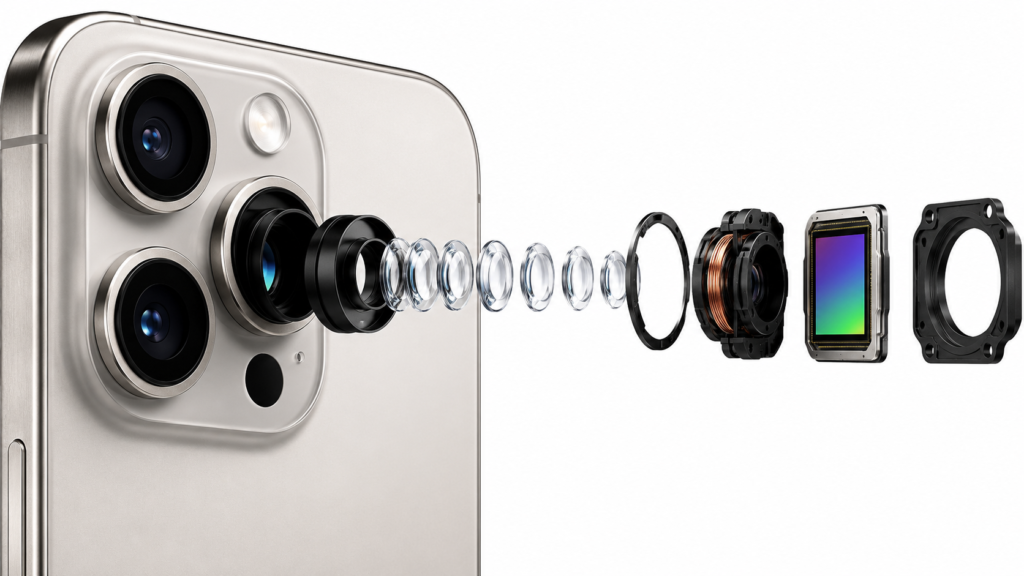
Camera improvements are another likely reason behind the increased size.
Reports suggest Apple could introduce a variable-aperture main camera and larger image sensors, both of which require more internal space.
Larger sensors generally improve:
- Night photography
- Dynamic range
- Portrait depth
- Natural background blur
- Overall image quality
Physics still matters. Bigger sensors need bigger lenses, and bigger lenses require more room.
Voltixaz Analysis
Many buyers say they want thinner camera bumps, but they also expect DSLR-like photos. Those goals conflict. If Apple chooses image quality over slimness, it’s making the more practical engineering decision.
Comparison With Previous Models
| Feature | iPhone 17 Pro Max | Rumored iPhone 18 Pro Max |
|---|---|---|
| Weight | Around 233g | Around 240g (rumored) |
| Thickness | 8.75mm | Around 9.0mm |
| Battery | Current generation | Larger battery expected |
| Cooling | Traditional thermal system | Vapor chamber rumored |
| Camera | Fixed aperture | Variable aperture rumored |
All iPhone 18 Pro specifications remain unconfirmed until Apple’s official launch.
Is the Extra Weight Worth It?
For many users, yes.
Seven additional grams are barely noticeable during normal use.
However, better battery life, cooler gaming performance, and improved photography are benefits users experience daily.
The trade-off becomes much easier to justify if those improvements materialize.
Voltixaz Analysis
Apple has historically focused on balancing design with usability. The rumored increase suggests the company may finally be prioritizing user experience over ultra-thin marketing.
Pros & Cons
Pros
- Potentially much longer battery life
- Improved sustained performance
- Better thermal management
- Larger camera hardware
- Better photography potential
Cons
- Slightly heavier in hand
- May feel bulkier with a protective case
- Final improvements remain unconfirmed
Who Should Buy?
The rumored iPhone 18 Pro could be ideal for:
- Mobile photographers
- Content creators
- Gamers
- Frequent travelers
- Users upgrading from devices older than three years
- Anyone who values battery life over thinness
Who Should Skip?
Consider waiting if:
- You already own the iPhone 17 Pro.
- Your priority is the lightest possible smartphone.
- You rarely push your phone beyond basic messaging, browsing, and streaming.
Expert Tips
- Don’t judge a flagship solely by weight.
- Wait for independent battery and thermal testing after launch.
- Consider total daily usability rather than spec-sheet comparisons.
- Use a lightweight case if overall heft is a concern.
The headline may say the iPhone 18 Pro is getting heavier, but the more important question is why.
If the additional weight comes from a larger battery, improved cooling, and more capable camera hardware, Apple could be making one of its most user-focused hardware decisions in recent years.
Nothing is official until Apple unveils the device, and buyers should treat all current specifications as rumors. Even so, the reports point toward a philosophy that values endurance and sustained performance over chasing the thinnest design possible. If those changes translate into noticeably longer battery life, cooler operation during demanding tasks, and better photography, a few extra grams could be a compromise most users barely notice—and ultimately appreciate.
FAQs
1. Is the iPhone 18 Pro officially heavier?
No. Apple hasn’t confirmed the specifications. The information currently comes from supply-chain reports and established Apple leakers.
2. How much heavier could it be?
Current rumors suggest roughly 240 grams for the larger Pro model, about 7 grams heavier than its predecessor.
3. Why would Apple make it heavier?
The reported reasons include a larger battery, upgraded cooling, and larger camera hardware.
4. Will battery life improve?
If the rumored battery increase is accurate, users should expect longer runtime, though real-world testing will determine the actual improvement.
5. Does a heavier phone mean better quality?
Not necessarily, but additional weight can result from larger batteries, stronger materials, or more advanced internal components.
6. Is the camera expected to improve?
Reports suggest larger sensors and a variable-aperture system, but Apple has not confirmed these features.
7. Should I wait for the iPhone 18 Pro?
If battery life and photography are priorities, waiting for Apple’s official announcement may be worthwhile.
8. Is this rumor reliable?
Overall reliability is Medium–High because multiple independent reports point to similar design changes, but none are official yet.